Tags
OVERVIEW
Solar storage systems are becoming increasingly popular. In the last 12 months, the German government has funded around 4,000 systems with 76 million euros. Experts predict that, as the systems become cheaper, sales figures will continue to rise considerably. But are domestic storage systems safe? Manufacturers promise to provide highly safe systems with a long service life. However, tests conducted at the Karlsruhe Institute of Technology (KIT) in the middle of this year revealed that not all systems are living up to these promises.
What is the storage technology of the future – lead or lithium-ion batteries? Currently, the market is clearly leaning towards modern lithium cells, which can store more energy than conventional lead-acid batteries in the same amount of space as well as promise a longer service life. Whereas lead-acid storage systems start to become considerably less effective after no later than ten years, manufacturers claim that lithium-ion batteries can sometimes keep performing for twice as long. In addition, innovations and the effects of increasing production quantities are reducing the costs of solar storage systems.
Enthusiasm for the technology could soon die down, however, after some lithium cells showed significant quality defects. In the last few months, three solar storage systems in Filderstadt, Ludwigsburg and Gießen all went up in flames. In response, the Karlsruhe Institute of Technology (KIT) thoroughly tested some lithium cells for stationary application at its test plant. KIT battery expert Andreas Gutsch commented on the test results: “The vehicle batteries that we are familiar with are of an exceptionally high quality, perform very impressively and are extremely safe. We would be delighted if all stationary batteries possessed this level of quality and safety. Unfortunately, this is not always the case.”
These results are alarming if you consider that solar storage systems are usually located in cellars, where a fire could wreak devastating damage. According to the test, cheap cells pose the biggest safety risk. To save costs, some manufacturers house lithium cells in a cheap plastic casing instead of high-quality metal. As well as having the potential to act as an additional fire load, plastic is not as efficient as metal in protecting the cells from moisture penetration, which is why plastic casing must be thicker. However, it is harder for heat to escape from thicker casing, which can be dangerous. If a cell overheats, the electrolyte will literally boil, creating a highly flammable mixture capable of producing a large fireball.
Separators were found to be a further weak point in stationary lithium cells. An ultra-thin separator sheet separates the anode from the cathode, preventing the two poles from short-circuiting. High-quality ceramic separators are already in use throughout the automobile industry to minimize fire hazards. Although relatively expensive, ceramic can withstand temperatures of several hundred degrees centigrade. Plastic sheets are still sometimes used in cells for stationary application, and may start to perform more poorly in temperatures of just 80°C and above. So-called dendrites can also destroy the cells. These metallic microparticles tend to form on the electrodes when the battery is charged too quickly or unevenly. They can grow into a spike of sorts and then puncture the separator.
Researchers at KIT attribute the blame for many problems to “black sheep” not complying with existing norms and regulations. Statutory safety rules were found to have been ignored as early as transportation. As a result, the Karlsruhe experts are advising manufacturers of lithium-ion batteries to work towards higher safety standards, as seen in the automobile industry. They have also published a checklist for solar storage system suppliers, planners and installers to assess battery manufacturers. This checklist states that solar storage systems should include a safety system that continuously monitors the voltage values and temperature of every single battery cell in order to detect any harmful changes like dendrite as early on as possible. KIT researchers also recommend that the safety system be redundant. In this case, redundancy means that two independent mechanisms safeguard against errors. If one system fails, the other will take over.
The industry is taking the accusations voiced by the KIT experts seriously, and is backing the current discussion on the safety of lithium cells. The company Knubix used the KIT checklist to test its “Knut” storage system. “Our cell manufacturer confirmed the number of cycles that we advertise,” explains sales representative Heidrun Clus, going on to say that, in general, solar storage systems are only backed up by laboratory tests as opposed to long-term experience.
“Safety is our absolute top priority,” says Christoph Ostermann, CEO of solar storage system supplier Sonnenbatterie. “As a German brand manufacturer, we have always designed our storage systems to achieve maximum safety. We have even developed and taken out a patent for our own, TÜV-certified process for transporting storage systems.” Christoph Ostermann also revealed that Sonnenbatterie uses a redundant safety system and is actively driving forward the development of harmonized safety standards for lithium storage systems by participating in the working groups of various associations.
Another example is Kaco New Energy, which brought a solar storage system principally designed for single-family homes to market in 2013. Kaco claims that the cells from its supplier have been tested to ensure that they meet high safety requirements. “As we choose our suppliers according to our very high demands, very long service lives are realistic and justify what we advertise. This has been confirmed by tests carried out in our own storage system test center in Neckarsulm,” reports Kaco battery expert Norbert Taphorn.
Companies are refusing to simply accept the criticism raised by the KIT researchers, however. They want the researchers to name the “black sheep” among them. And, with sources and test reports on the tested products yet to be disclosed, these objections are completely justified. While initiating a debate on safety is important, KIT should substantiate its accusations to avoid casting general suspicion on lithium cell manufacturers and storage system suppliers.
Florian Huber, Sascha Rentzing
Related Posts
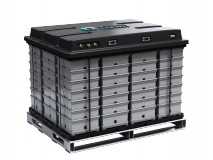
Lithium ion batteries have a high output and are durable, yet they simply remain too expensive to be widely used for storing excess solar and wind energy. Novel sodium-ion batteries could help solve this problem. Aquion Energy, a US-based company, has resolved the safety issues formerly associated with the technology and is now seeking to… read more
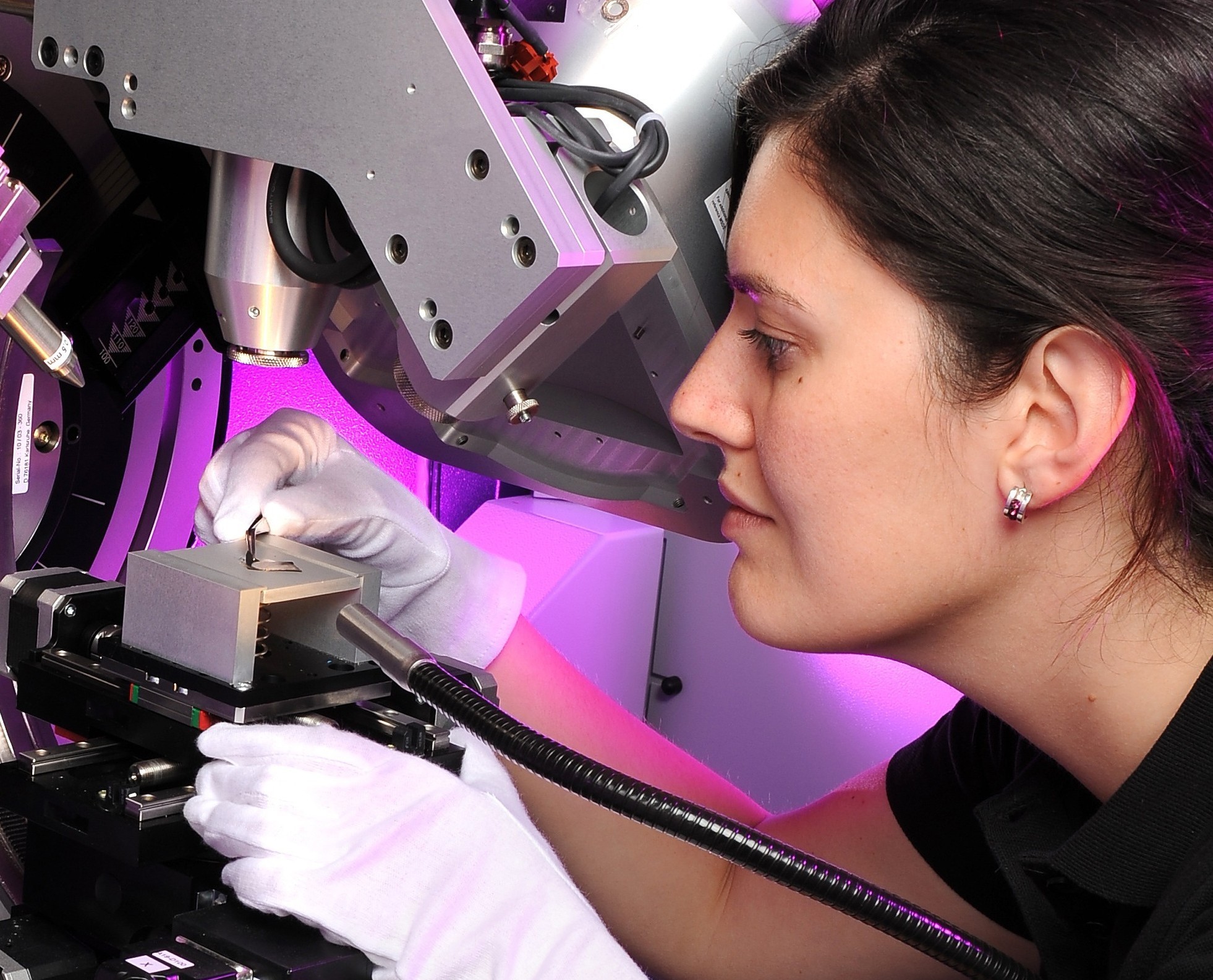
With their tried-and-tested technology and relatively low purchase price, lead-acid batteries should, for all intents and purposes, be playing a key role in the up-and-coming market for photovoltaic storage systems. However, the majority of suppliers are putting their trust in the less thoroughly tested yet higher-performance lithium-ion batteries instead. Will lead-acid storage systems become obsolete… read more

Kommentare (2)
What about zinc bromine batteries?
Are they safe and a good storage option?
Thank you for your request! Of course this cannot be answered in one sentence but we are preparing a blogpost on this, that will be online soon!