Tags
Blogroll
OVERVIEW
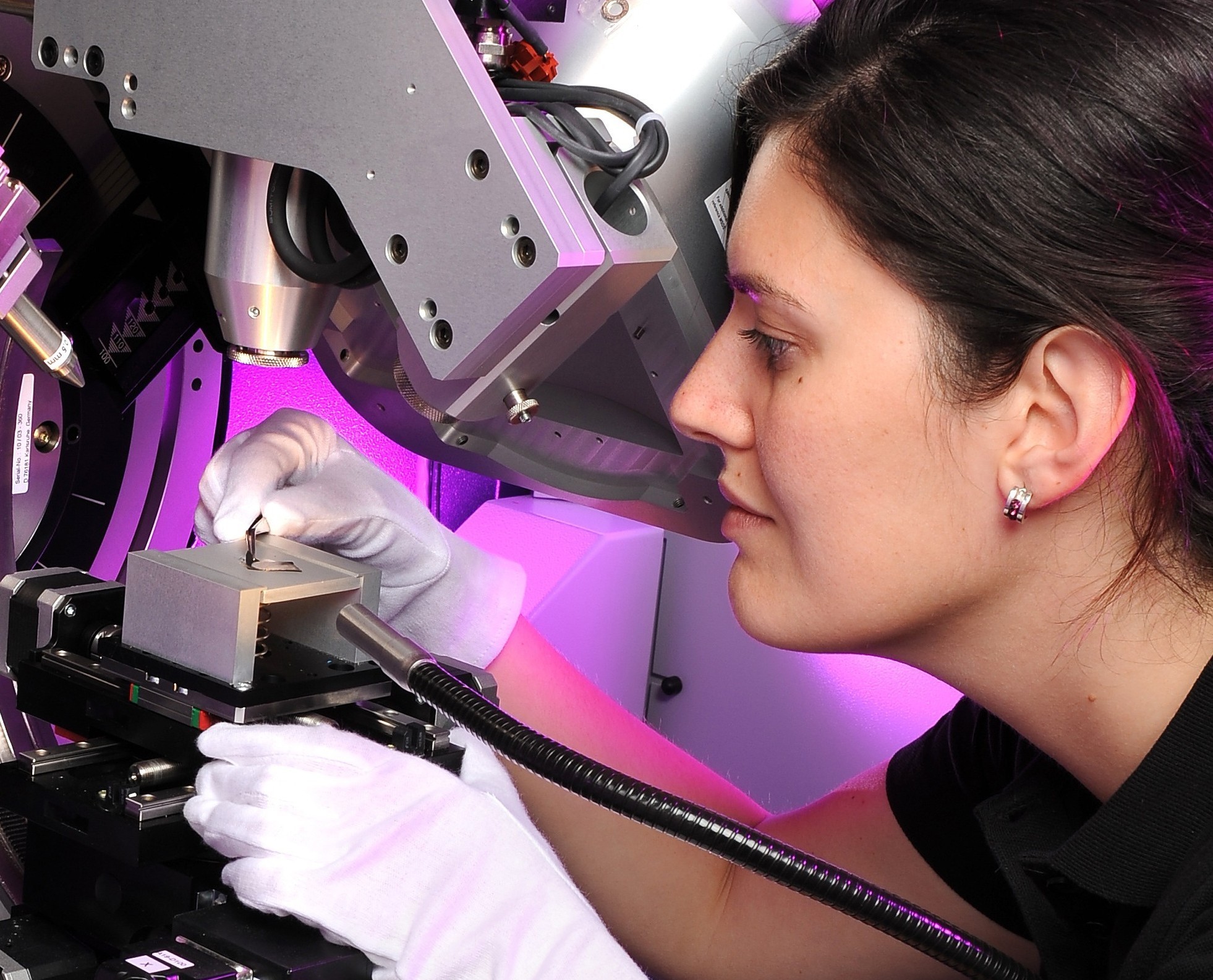
The department Electrochemical Energy Technology at DLR are developing innovative batteries for e-mobility and solar energy systems
With their tried-and-tested technology and relatively low purchase price, lead-acid batteries should, for all intents and purposes, be playing a key role in the up-and-coming market for photovoltaic storage systems. However, the majority of suppliers are putting their trust in the less thoroughly tested yet higher-performance lithium-ion batteries instead. Will lead-acid storage systems become obsolete in the long term?
There’s finally been some good news for a change: According to a recent analysis performed by market research company IHS, the market for photovoltaic storage systems is about to boom. In Germany alone, the total capacity is set to increase from eight to 4,900 megawatts (MW) between now and 2017. The success of storage systems is dependent on one condition, however: They must be able to pay for themselves within the estimated 20-year lifetime of a solar plant, as well as operate reliably in basements throughout the year.
What could make more sense than drawing on proven lead-acid batteries or the more modern lead-acid gel batteries? They are less expensive than the new lithium-ion batteries and boast a decisive advantage in terms of conforming to safety standards, having been used for many years to supply power without interruption in buildings such as hospitals. Unlike lithium-ion batteries, they are backed by well-founded empirical data. Figures on the lifespan of lithium-based technologies, their potential cycle lives and residual capacities after a particular amount of time are based on relatively short aging tests under extreme conditions, the results of which are then extrapolated to 20 years. “There is currently no alternative to lead-acid batteries,” states André Haubrock, the manager responsible for business development at the battery manufacturing company Hoppecke, which is headquartered in Brilon, Germany.
However, more and more suppliers of photovoltaic storage systems are using lithium-ion batteries thanks to their technical potential being significantly greater than that of lead-acid batteries. They are capable of storing more solar power in a more compact space, as well as promising a longer lifespan and higher efficiency. According to data from the battery expert Eric Maiser at the German Engineering Federation VDMA, lead-acid batteries start to lose some of their capacity after around 3,000 complete charge and discharge cycles, while lithium-ion batteries optimized for stationary applications are capable of completing 7,000 full cycles before experiencing such losses. “Lithium-ion batteries grapple less with capacity losses caused by wear and tear,” explains Maiser. Both anode and cathode are each wrapped in metal foil, with the cathode foil containing porous graphite. During charging, lithium migrates through an electrolyte into the graphite pores, where it absorbs electrons that it then releases during discharge. The advantage of this is that the electrolyte only serves as a means of transport and does not take part in the chemical reaction.
In lead-acid batteries, on the other hand, the electrolyte is slowly depleted of its dilute sulfuric acid. During discharge, this acid reacts with the two lead electrodes to form lead sulfate. When the chemical process is reversed during recharging, small quantities of the lead sulfate do not redissolve, progressively weakening the battery. The greater the depth of discharge, the more the battery is weakened. In light of this, manufacturers advise against discharging batteries completely. The problem caused by sulfation is less pronounced in the more modern lead-acid gel batteries, in which the sulfuric acid is fixed in the form of a gel. However, these batteries also show signs of the type of electrode corrosion typically seen in lead-based batteries and must generally be exchanged after 10 to 15 years.
As a result, the operators of lead-based systems incur additional costs at a later date that are not expected with the more robust lithium-based technology which, according to manufacturers, has a lifespan of at least 20 years thanks to higher cycling stability. “This compensates for the initial higher purchase price of lithium-ion batteries,” says Maiser. What’s more, the technology may actually become significantly less expensive in the future. In contrast to lead-acid batteries, only very few standardized manufacturing processes have to date been introduced for lithium-ion batteries. According to a joint study entitled Energy Storage Revolution conducted by the consultancy Roland Berger and the VDMA, using standard modular batteries lowers manufacturing costs by 8%. Savings stem above all from the fact that using standard components reduces the amount of materials required and increases cycle times.
The industry is currently also developing more robust and higher-performance electrode materials. Today’s lithium-ion batteries use graphite for the anode and lithium metal for the cathode, which serves as a chemical reactant for the graphite. Manufacturers want to use new anodes made from lithium titanate in the future, which charge faster and can withstand more charge cycles than graphite. According to Maiser, technical progress and economies of scale arising from larger quantities being produced may result in the overall costs of lithium-ion batteries falling from the current amount of roughly €800 per kilowatt hour (kWh) to €250 per kWh over the years to come, leading to the technology reaching a price level equal to that of lead-acid batteries. In contrast, the latter’s development potential has almost been exhausted. Does the classic battery stand a chance against lithium-ion technology in the future?
Related Posts
Interest in solar installations with storage systems is rising because these systems reduce consumer dependency on utility companies. So far, there has been little investment into the new technology due to high battery costs – but this may soon change: Thanks to higher production rates and technical advances, costs are sinking fast. It’s always the… read more
Does the grid really need batteries? This is currently a very controversial question. Some experts even consider the technology to be detrimental and that’s why they are strictly rejecting Germany’s planned incentives. Fraunhofer Institute for Solar Energy Systems (ISE) counters this argument in its new Speicherstudie 2013 (study on storage systems): Batteries can actually take… read more
Energy storage and grid integration are two of the areas on which efforts towards the further expansion of solar power supply are centered. The increasing share of solar power is changing the power grid. That is why efficient energy storage systems will play a vital role in overcoming the current challenges – initially by integrating… read more

Kommentare (10)
I use LiFePO4 batteries on my OffGrid house installation but there is no solar charger available for this type of battery or even other more common type of lithium.
Fortunately I can design my own solar charger is in beta stage as of now.
You can see a short video presentation here http://www.youtube.com/watch?v=EZt1oJ3n7jY
Is designed to replace the existing 12V/24V Lead Acid chargers (In small and medium installations) so it can work with up to 8 Lithium cells of any type or Supercapacitors since it has fully programmable parameters.
The reason I chose LiFePO4 was the cost benefit compared to Lead Acid batteries but there are other advantages like much higher charge discharge efficiency and the ability to store them inside no chance of Hydrogen build up.
I will soon launch a Kickstarter campaign but not sure how well it will be received since most of the solar industry especially here in North America are still using the more expensive Lead Acid for solar energy storage.
Ich habe mich für eine regenerierte Blei-Säure Batterie der Firma bluebatt GmbH
( http://www.bluebatt.com ) entschieden und dies nicht bereut. Unsere Batterie ( 48V 725 Ah ) funktioniert seit 2 Jahren ohne Probleme. Zusätzlich bietet die Firma bluebatt einen Vorort-Service an um die Sulfatation abzubauen.
Hier noch ein Presse Bericht der Firma :
bluebatt Presse
Batterien zu regenerieren ist kein neues Thema. Praktisch seit der Erfindung des Bleiakkumulators wird versucht den natürlichen Alterungsmechanismen durch immer ausgefeiltere Ladetechniken den Garaus zu machen.
Die Batterieindustrie reduziert den Alterungsprozess gerne ausschließlich auf das Abschlammen der poitiven Platten. Wer seine Batterie länger nutzen will, soll sie ordentlich warten und statt in eine Regeneration lieber in hochwertige Ladetechnik investieren. Regeneration wird als Woodooismus abgetan.
Oft hören wir von nachlassender Qualität und immer häufiger auftretenden Problemen mit Batterien. Dieser Trend ist jedoch weniger einer zurückgehenden Fertigungsqualität, sondern in erster Linie den geänderten Anforderungen heutiger Einsatzbereiche geschuldet. Noch nie mußten Batterien so viel leisten wie es heute der Fall ist. Die Zeit für eine ordnungsgemäße Wartung und optimale Lade- und Entladezyklen ist schlicht nicht vorhanden. Die Folge ist eine oft immer kürzere Lebensdauer und häufiger auftretende Fehler von Elektronikkomponenten durch Batterieprobleme.
Hier muß erklärt werden, daß es bei Batterien mehrere Alterungsmechanismen und unzählige Faktoren gibt, die das Batterieleben beeinflussen. Eine Regeneration ist keine Wunderheilung, die abgelöstes Bleidioxid der positiven Platte wieder anhaften kann. Vielmehr widmen wir uns dem Sulfatationsgrad und den damit verbundenen frühzeitigen Leistungsverlusten (PCL-Effekt), beschleunigte Sulfatierung und der Säureschichtung, die ein Batterieleben oft um 50% und mehr verkürzen.
Sulfatation ist keine Batteriekrankheit sondern gehört zum normalen Prozess des Entladens. Hierbei wird die aktive Masse der Polplatten durch elektrochemische Reaktionen während der Stromentnahme in Bleisulfat umgewandelt. Dieser Vorgang soll durch das Laden wieder umgekehrt werden. Da dies aus verschiedenen Gründen niemals zu 100% geschieht, bleibt bei jedem Zyklus etwas Bleisulfat zurück und wächst mit der Zeit immer weiter an. Die aktive Masse wird geringer und die Kapazität läßt frühzeitig nach. Dies wird auch als PCL-Effekt (Pre-Capacity-Loss) bezeichnet.
Durch eine Regeneration soll nun vorhandenes Bleisulfat und besonders auch schon gebildete Kristalline wieder vollständig gelöst werden. Um dies zu erreichen sind mehrere Parameter zu berücksichtigen. Erst die korrekte Kombination aus Spannung, Art, Dauer und Intensität des Stromes sowie der richtigen Temperatur kann ein optimales Ergebnis erzielen. Genau hier liegt der Hauptunterschied von Regenerationsmaßnahmen, Geräten und den daraus resultierenden Erfolgen.
Das von bluebatt verwendete Verfahren ist einzigartig am Markt. Es arbeitet dank integrierter Energierückgewinnung hocheffizient und ist durch mehrere Herstellerpatente weltweit sowie auf dem US Markt geschützt. bluebatt arbeitet im deutschsprachigen Raum in enger Kooperation mit der TVH-Group in Belgien, welche über die exklusiven Vertriebsrechte für Europa und weitere Länder verfügt.
Für interessierte Serviceunternehmen bietet bluebatt ein Partnerprogramm mit besonderen Leistungen wie Vertreibsunterstützung, Schulungen und Gebietsschutz an.
Technisch interessierten Lesern empfehlen wir eine von Dr. rer. nat. Jonny Dambrowski verfasste Abhandlung im Auftrag von Deutronic Elektronik GmbH. Er widmet sich darin den Alterungsmechanismen und den Möglichkeiten diesen zu begegnen. Ab Seite 7(3.1) wird das Thema Rekristallisation behandelt.
Weitere Informationen finden Sie auf der Homepage http://www.bluebatt.com
But what about other technologies like NiFe, Zinc/Air fluxed, pseudocapacitors?
Especially Pseudocapacitors are very promising with SAFE reactants, a very long life cycle (30.000 cycles), low cost, good specific energy, 100% DOD, faradaic/non-faradaic reactions, simple to build.
I know of a pseudocap with active carbon anode made from biomass pryrolysis in one step.
Bleiakkus sind eine wirtschaftlich sinnvolle Alternative, wenn die Gesamtsystemauslegung so gestaltet wird, daß die Akkus nur z.B. zu 30-40% genutzt werden; dann ist das Sulfatieren kein Problem ud die Akkus halten guten 7-10 Jahre;
selbst ein Austausch der Akkus nach 5 Jahren wäre wirtschaftlich vertrettbar, da die gesamte Installation weitergenutzt werden kann.
Sinnvoll ist eine leichte Überdimmensionierung der Speichereinheit, so daß selbst Schlechtwetterperioden von 2-3 Tagen überbrückt werden können, tut den Akkus gut, wenn sie noch weniger stark entladen werden.
D. Tapanaris
http://www.set-solarstromspeicher.de
LEADCRYSTAL BATTERIEN eine neue Technologie geeignet für die Solarspeicherung
Lead Crystal Technologie – Die Eigenschaften der neuen Batterie
- 2500 Ladezyklen – temperaturunabhängig (leistungsfähig von -40°C bis +65°C)
- Tiefentladungsfähig: Entladung auf 0 Volt möglich, Kapazität zu 100% wiederherstellbar
- Hochstromfähig
- kein Belüftungssystem erforderlich (keine austretenden Dämpfe oder schädliche Gasemissionen)
- 7 Jahre Garantie
weitere Informationen finden Sie auf der Intersolar Halle B4 Stand 454
MfG
S.Beier
Dear Melvin,
may I ask you what your experience with nickel cadmium batteries is?
We found an interesting chart, comparing technologies including NiCd: http://www.siemens.com/innovation/en/publikationen/publications_pof/pof_fall_2007/materials_for_the_environment/energy_storage.htm
I would like more information about lead batteries and please send me information about your Messestand at Intersolar in München. thank you
mfg
Johny Elanjipilly
Solar Hybrid Energy GmbH Germany.
Dear Mr. Elanjipilly,
thank you for your Input! As we are not a company, but a blog that’s driven by different people – among them Mr. Elsaesser from Solar Promotion GmbH, one of the organizers of Intersolar Europe – we do not have a stand at Intersolar Europe. But you can find any kind of exhibitor you are looking for at http://www.intersolar.de . More information about this blog can be found at /en/uber-uns/
Best Regards
How would nickle cadmium batteries perform when compared to lead acid and lithium ion batteries?