Tags
Blogroll
Current Articles
In the study “Energy Storage for Electric Mobility – is Germany on its way to becoming a lead market and lead supplier?”, the Fraunhofer Institute for Systems and Innovation Research ISI examined whether and to what extent Germany is on its way to becoming a lead market and lead supplier in the field of energy… read more

The Middle Kingdom holds a central position for the global energy storage market. A potential of 1.4 billion electricity consumers, aggressive renewable energy targets and vast remote areas are excellent preconditions for the deployment of storage solutions in China. So, what is current status of storage solutions in China and which actions does the government… read more
Especially lithium iron phosphate batteries feature high cycle stability resulting from very short charging times and the ability to emit high discharge voltages – Properties that are required particularly in electric mobility and have been field-tested for years. Many electric vehicles use this technology as traction batteries. In 2010 the Chinese battery and vehicle manufacturer… read more
One shouldn’t believe it, but the world’s oceans contain the biggest lithium reserves on earth. This is due to a low but widespread concentration of the element in the seawater. South Korean researchers and companies are already working accessing this source. Whereas the concentration of lithium contained in brine from South American lakes is ten… read more
Stationary storage systems based on Lithium iron phosphate (LiFePO4) are very durable thanks to the chemical properties of their cells and in constant environments. Similar to the genes and individual living conditions which influence a person’s life span, the service life of a battery system is affected by the chemical compound in the cell as… read more
In the light of the increasing demand for lithium more and more mining companies are targeting to excavate above ground salt deposits, which have not been mined on an industrial scale so far. The exploitation of these salts is linked with a relatively low technical effort. Moreover these deposits show a high potential amount of… read more
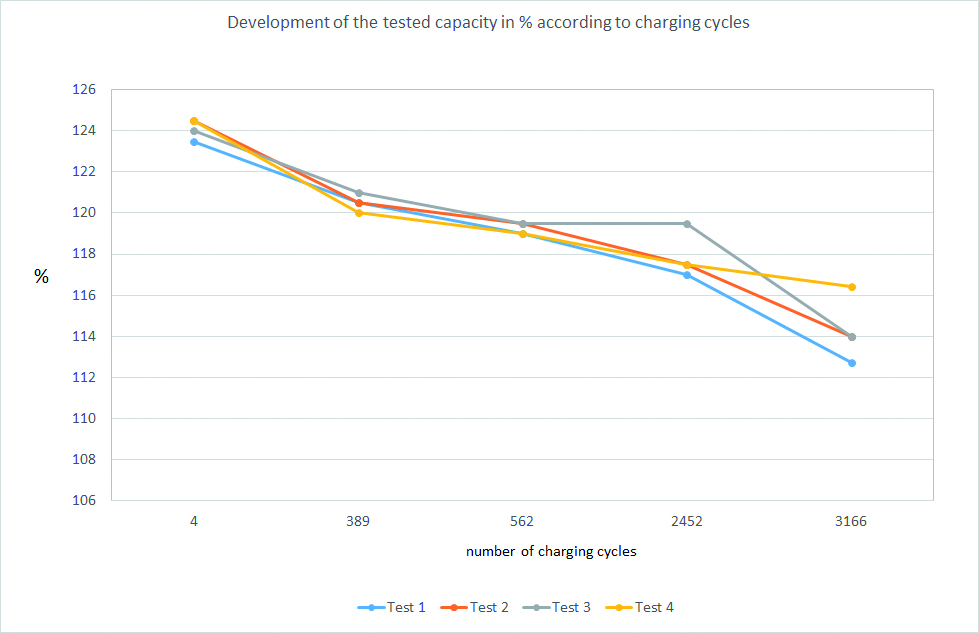
The service life of energy storage solutions depends not only on cell chemistry but also on external influences. Properties which are a must for rechargeable batteries in consumer electronics and mobile applications are less relevant in stationary batteries such as solar energy storage systems. Factors like ambient temperature, depth of discharge and cycle stability have… read more
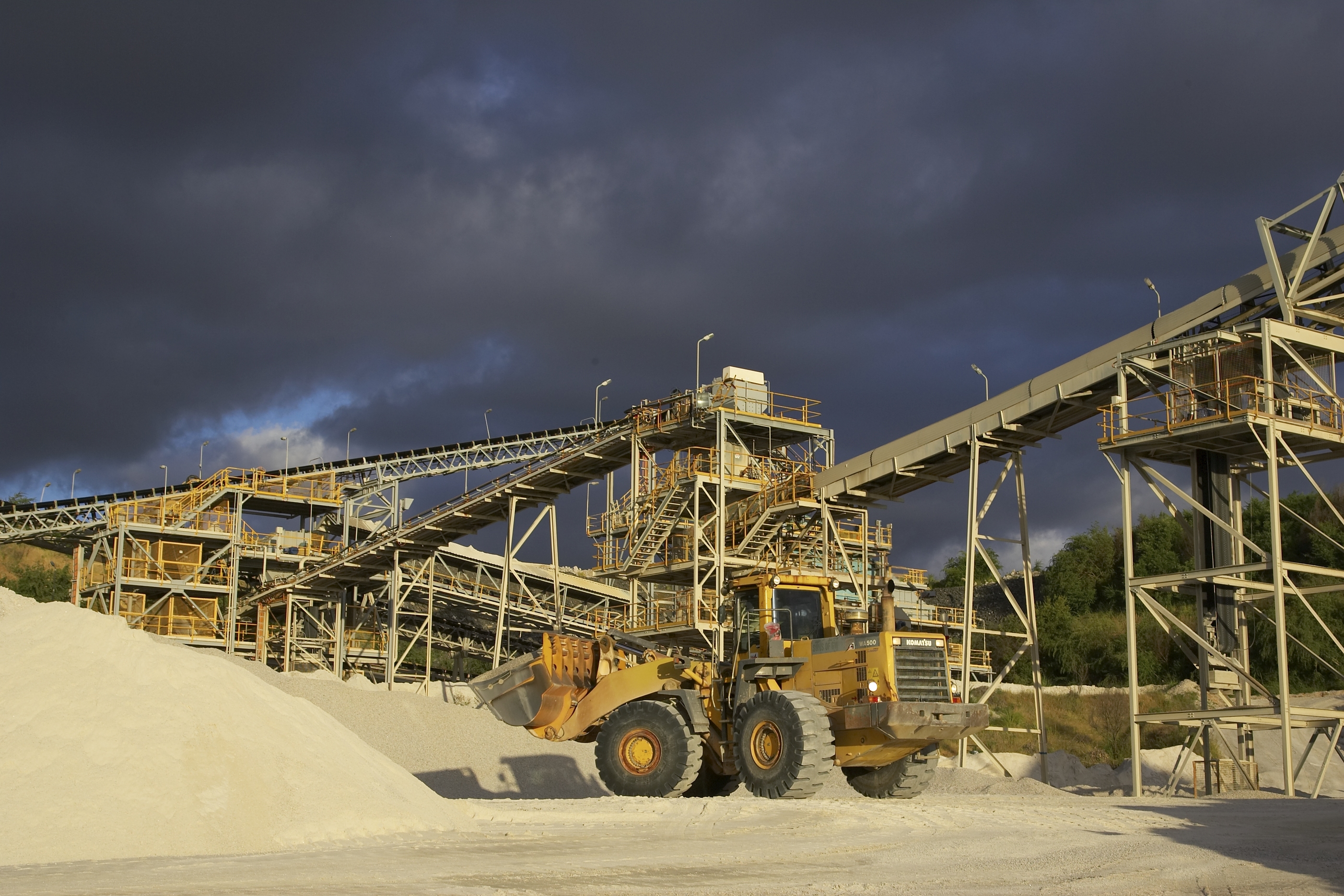
What truth lies behind the debate on the scarcity of the raw material lithium, which is increasingly important for the battery industry? Time after time the future availability of the commodity is questioned – mainly under the premise that the market for electric vehicle will gain increasing importance in the mid-term. Moreover experts disagree about… read more
Solar storage systems are becoming increasingly popular. In the last 12 months, the German government has funded around 4,000 systems with 76 million euros. Experts predict that, as the systems become cheaper, sales figures will continue to rise considerably. But are domestic storage systems safe? Manufacturers promise to provide highly safe systems with a long… read more
June was a busy month for the solar industry – numerous up-to-date figures on market development were published and the spotlight was shone on new technological trends and the latest study results surrounding solar energy and energy storage systems. Read about the ten most interesting developments of the past month here: 1) The American Council… read more
The view that photovoltaic installations combined with battery storage systems won’t make financial sense for a few more years, which has been voiced by consumer protection organizations, can now be considered to be outdated. The first suppliers to offer what they believe to be cost-effective battery systems are flocking to Intersolar in Munich, Europe’s largest… read more
The energy and solar storage industry is continually growing and changing, and April was no different in seeing its fair share of interesting developments. Read on for a roundup of the top new products, projects and research findings. 1) On-site consumption is the largest incentive for purchasing a photovoltaic system (April 22, 2014) Consumers currently… read more
Researchers and engineers are still not satisfied with the performance and costs of the batteries currently on the market. Batteries with oxygen cathodes represent a considerably more efficient and economical solution. However, these still need to undergo considerable development before they’ll be ready for use in electric vehicles and energy storage systems. The low number… read more
A lot happened in the energy industry in March. Here are the ten most important new stories on the topic of energy and solar storage, from government subsidies and interesting study results through to new energy storage projects. 1. Use of energy storage to be enshrined in the German Energy Industry Act (EnWG) (March 26,… read more
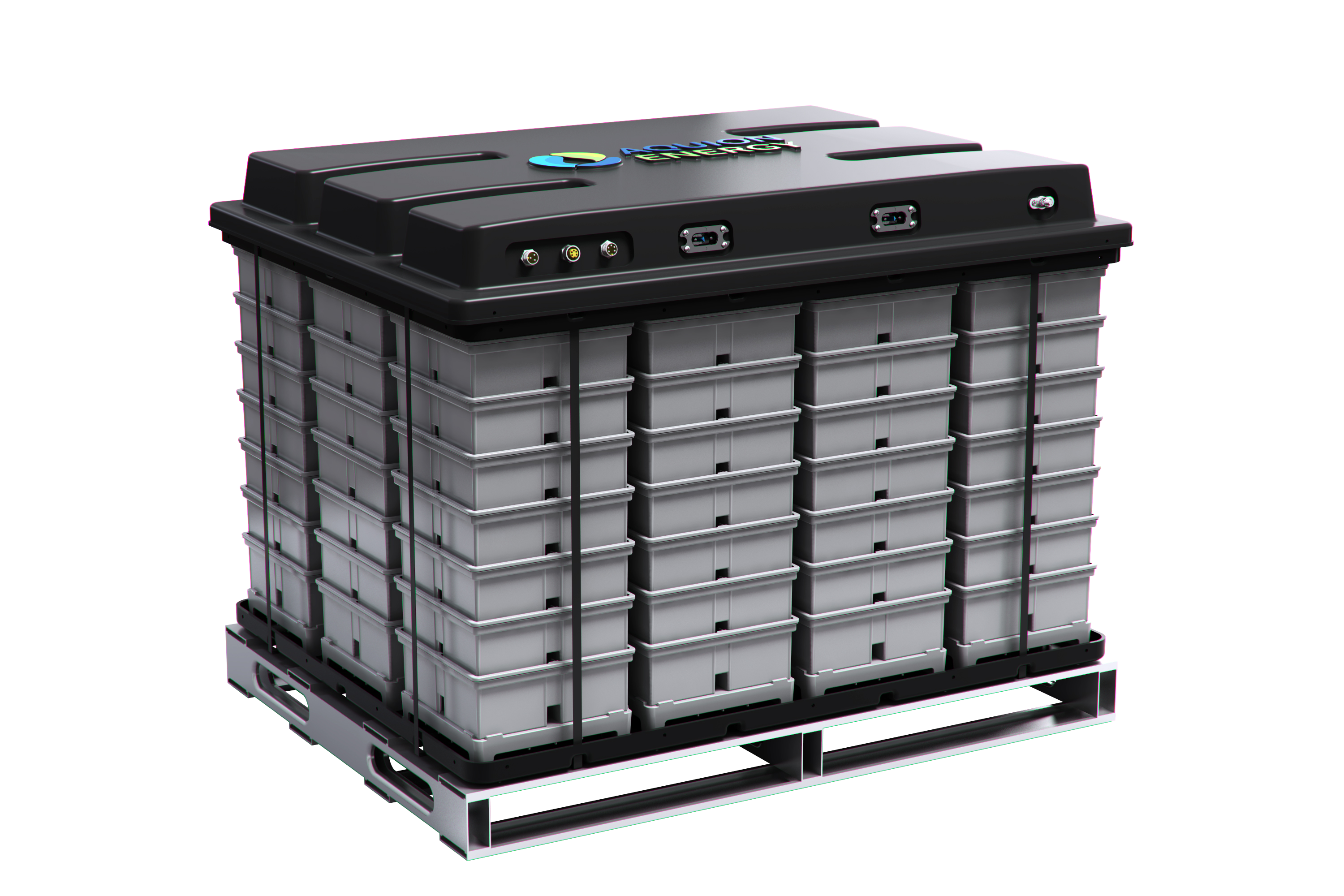
Lithium ion batteries have a high output and are durable, yet they simply remain too expensive to be widely used for storing excess solar and wind energy. Novel sodium-ion batteries could help solve this problem. Aquion Energy, a US-based company, has resolved the safety issues formerly associated with the technology and is now seeking to… read more

The fight against climate change will be decided in the large cities, say the experts. The idea is therefore to connect wind energy and solar installations intelligently with other power sources and consumers in conurbations. But this requires smart control and energy storage systems that remove some of the burden from the power grid. Will… read more
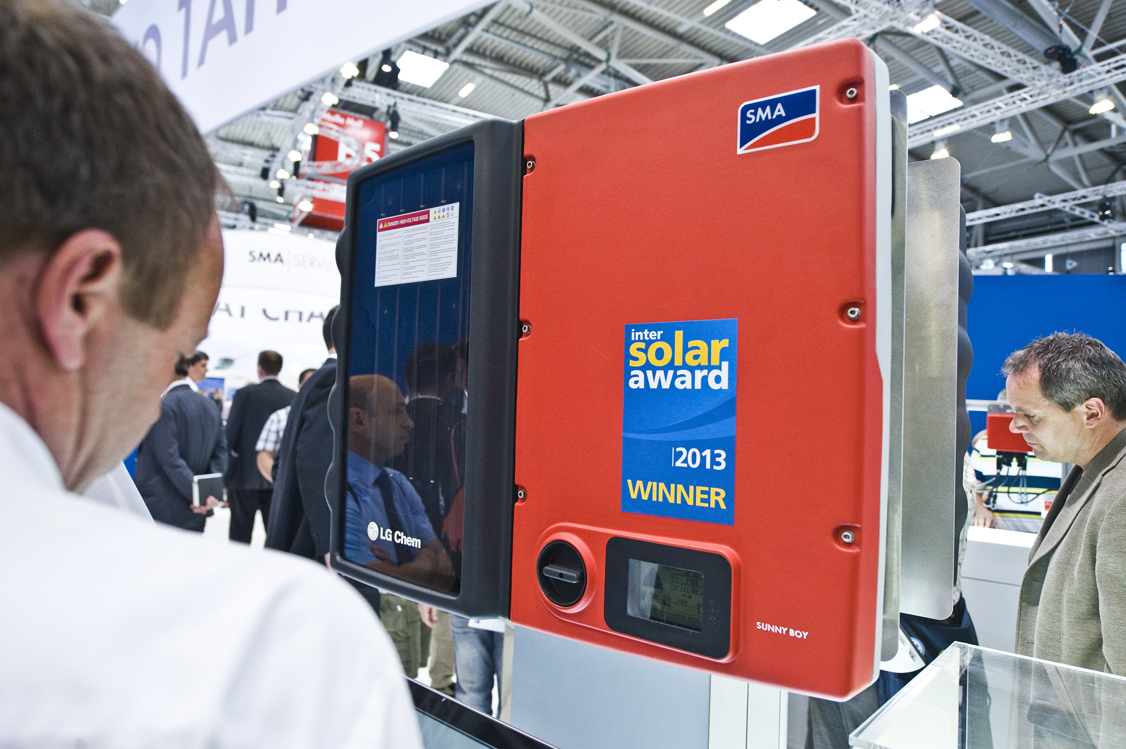
At this year’s Intersolar exhibition, SMA introduced the first mass-produced, wall-mounted PV inverter with an integrated battery and was promptly presented with an Intersolar AWARD, and for good reason: Together with the Sunny Home Manager, the Sunny Boy Smart Energy is designed to increase self-consumption of solar electricity in private homes by more than 50… read more
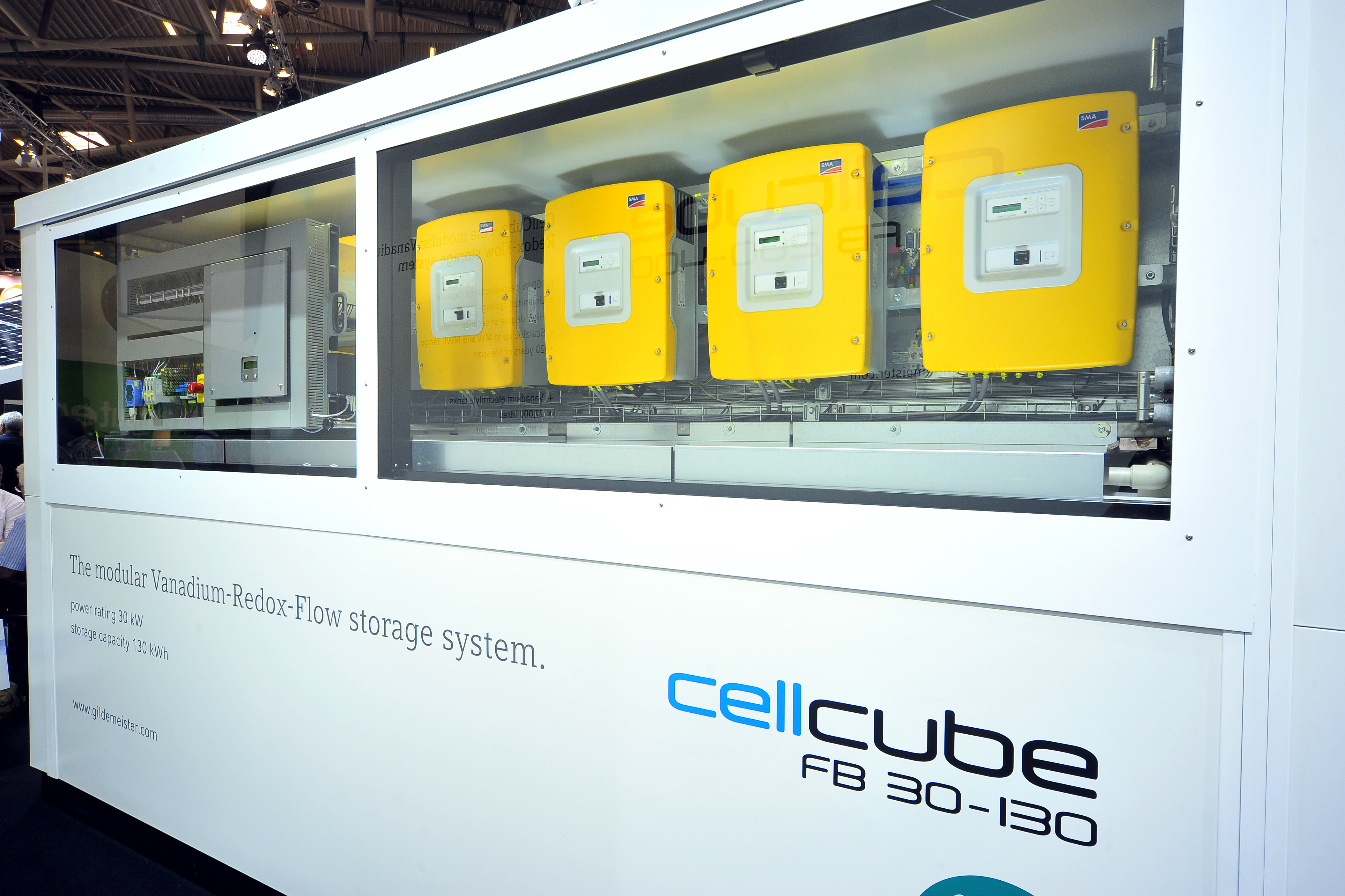
For photovoltaics to play a leading role in the energy transition, energy storage systems need to reduce the burden on the grid and provide operating reserves, as well as being equipped with an intelligent energy management system that coordinates their usage. Will the industry succeed in developing the necessary technical solutions? In a renewable power… read more

With their tried-and-tested technology and relatively low purchase price, lead-acid batteries should, for all intents and purposes, be playing a key role in the up-and-coming market for photovoltaic storage systems. However, the majority of suppliers are putting their trust in the less thoroughly tested yet higher-performance lithium-ion batteries instead. Will lead-acid storage systems become obsolete… read more
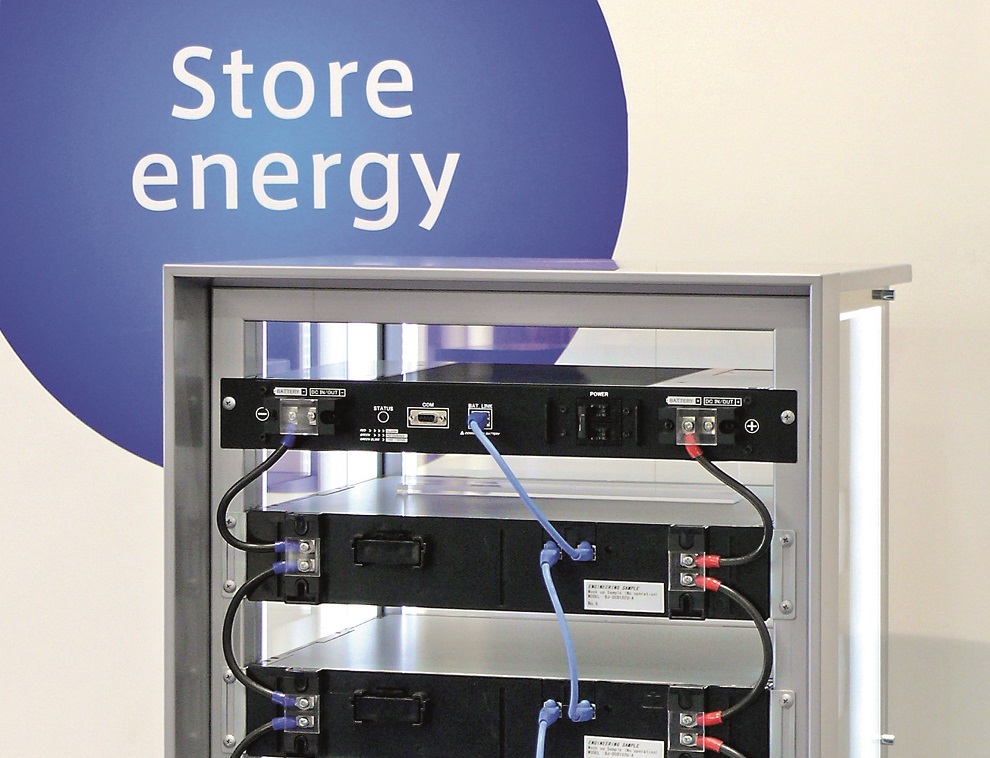
Interest in solar installations with storage systems is rising because these systems reduce consumer dependency on utility companies. So far, there has been little investment into the new technology due to high battery costs – but this may soon change: Thanks to higher production rates and technical advances, costs are sinking fast. It’s always the… read more
