Tags
Current Articles
Flexible use, easy modular expandability as well as cost efficiency and nonuse of toxic materials. These are crucial features, which have to be addressed by the manufacturers to further boost the deployment of electrical energy storage solutions. In order to illustrate the efforts of the industry to meet these needs, we will shed light on… read more
Especially lithium iron phosphate batteries feature high cycle stability resulting from very short charging times and the ability to emit high discharge voltages – Properties that are required particularly in electric mobility and have been field-tested for years. Many electric vehicles use this technology as traction batteries. In 2010 the Chinese battery and vehicle manufacturer… read more
One shouldn’t believe it, but the world’s oceans contain the biggest lithium reserves on earth. This is due to a low but widespread concentration of the element in the seawater. South Korean researchers and companies are already working accessing this source. Whereas the concentration of lithium contained in brine from South American lakes is ten… read more
Stationary storage systems based on Lithium iron phosphate (LiFePO4) are very durable thanks to the chemical properties of their cells and in constant environments. Similar to the genes and individual living conditions which influence a person’s life span, the service life of a battery system is affected by the chemical compound in the cell as… read more
In the light of the increasing demand for lithium more and more mining companies are targeting to excavate above ground salt deposits, which have not been mined on an industrial scale so far. The exploitation of these salts is linked with a relatively low technical effort. Moreover these deposits show a high potential amount of… read more
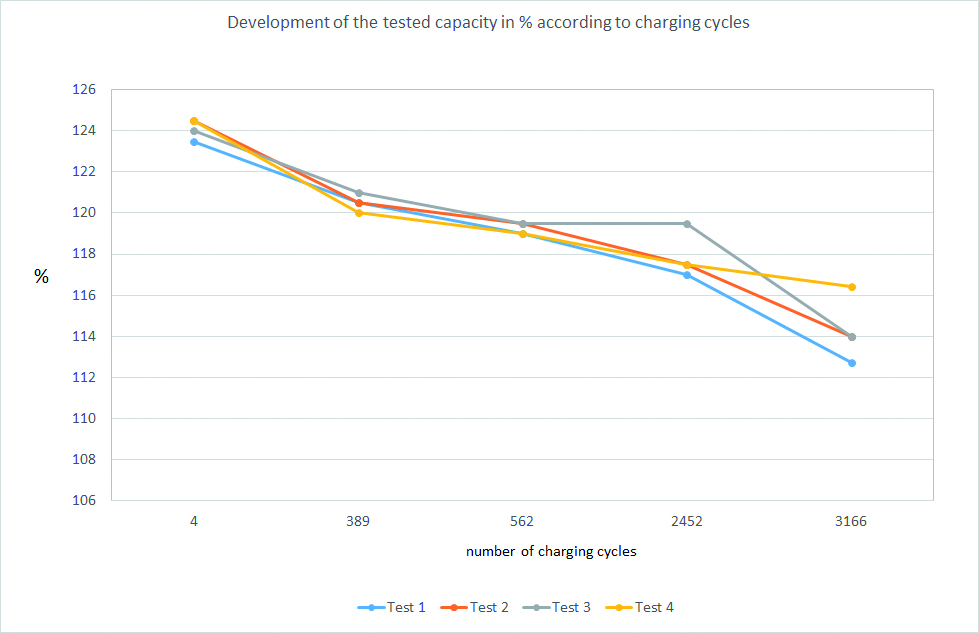
The service life of energy storage solutions depends not only on cell chemistry but also on external influences. Properties which are a must for rechargeable batteries in consumer electronics and mobile applications are less relevant in stationary batteries such as solar energy storage systems. Factors like ambient temperature, depth of discharge and cycle stability have… read more
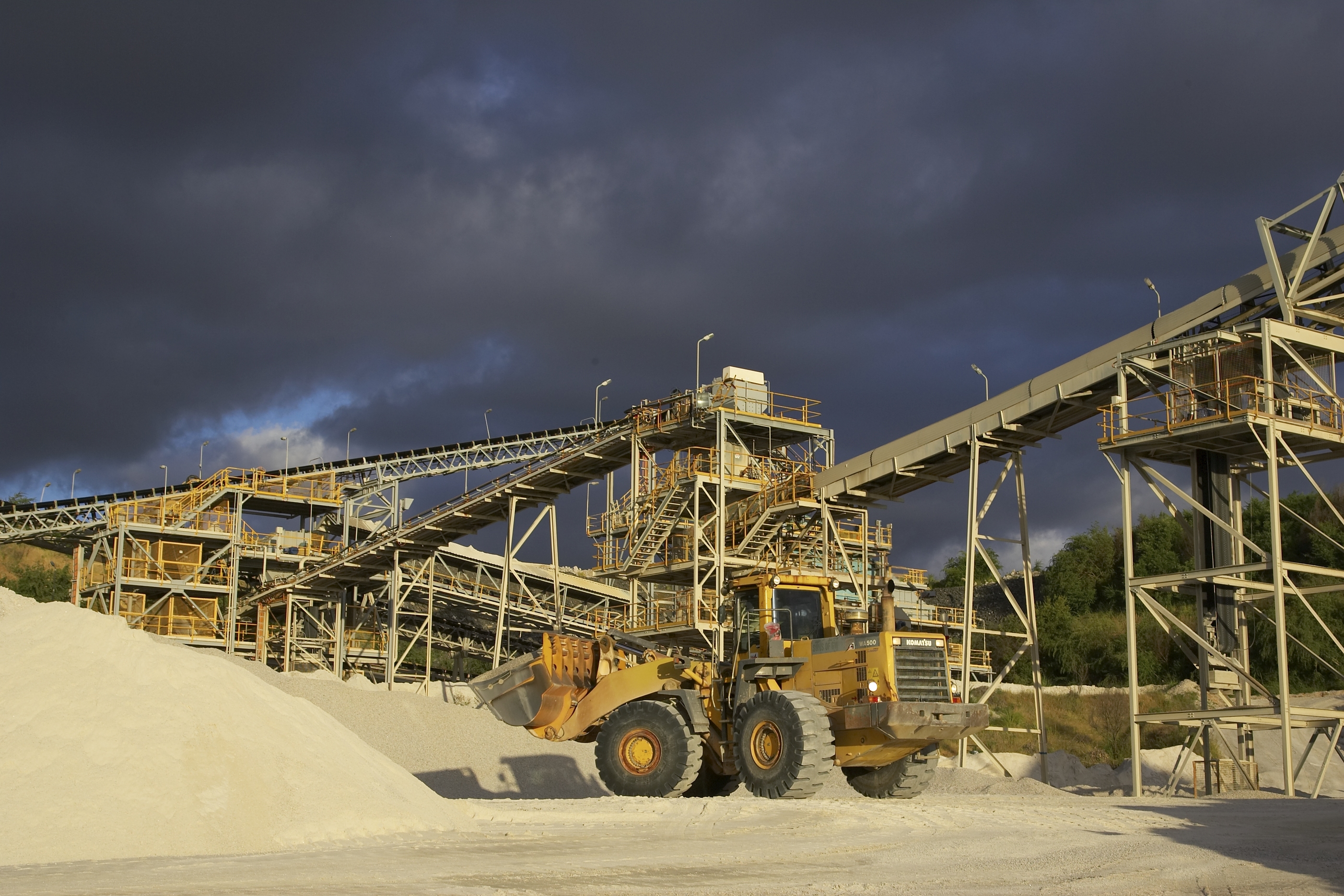
What truth lies behind the debate on the scarcity of the raw material lithium, which is increasingly important for the battery industry? Time after time the future availability of the commodity is questioned – mainly under the premise that the market for electric vehicle will gain increasing importance in the mid-term. Moreover experts disagree about… read more
Solar storage systems are becoming increasingly popular. In the last 12 months, the German government has funded around 4,000 systems with 76 million euros. Experts predict that, as the systems become cheaper, sales figures will continue to rise considerably. But are domestic storage systems safe? Manufacturers promise to provide highly safe systems with a long… read more
From July 1–2, 2014, experts from around the world flocked to the fourth conference on Grid-Scale Energy Storage in Brussels’ Steigenberger Grandhotel to discuss developments in large-scale storage systems used to stabilize the power grid. The conference showcased battery systems with up to 14 megawatt hours (MWh) as well as flywheel energy storage systems, which… read more
June was a busy month for the solar industry – numerous up-to-date figures on market development were published and the spotlight was shone on new technological trends and the latest study results surrounding solar energy and energy storage systems. Read about the ten most interesting developments of the past month here: 1) The American Council… read more
The view that photovoltaic installations combined with battery storage systems won’t make financial sense for a few more years, which has been voiced by consumer protection organizations, can now be considered to be outdated. The first suppliers to offer what they believe to be cost-effective battery systems are flocking to Intersolar in Munich, Europe’s largest… read more
The energy and solar storage industry is continually growing and changing, and April was no different in seeing its fair share of interesting developments. Read on for a roundup of the top new products, projects and research findings. 1) On-site consumption is the largest incentive for purchasing a photovoltaic system (April 22, 2014) Consumers currently… read more
Researchers and engineers are still not satisfied with the performance and costs of the batteries currently on the market. Batteries with oxygen cathodes represent a considerably more efficient and economical solution. However, these still need to undergo considerable development before they’ll be ready for use in electric vehicles and energy storage systems. The low number… read more
A lot happened in the energy industry in March. Here are the ten most important new stories on the topic of energy and solar storage, from government subsidies and interesting study results through to new energy storage projects. 1. Use of energy storage to be enshrined in the German Energy Industry Act (EnWG) (March 26,… read more
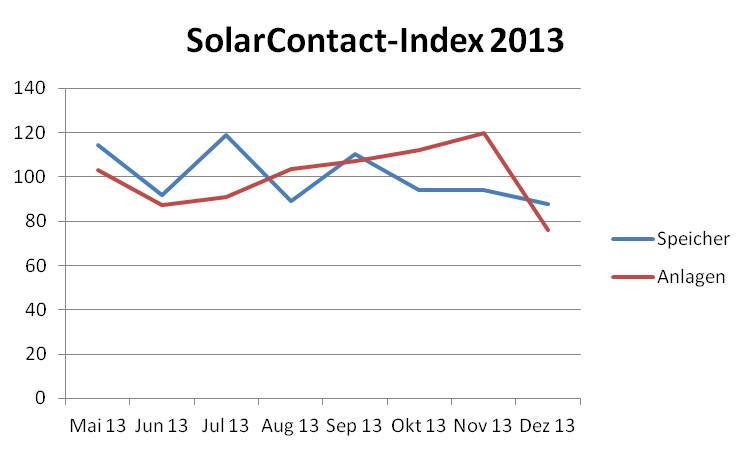
Solar storage systems have been subsidized since May last year. These incentives can be used for photovoltaic installations that are yet to be built as well as for retrofitting installations that were commissioned after December 31, 2012, up to a maximum of 30 kWp of PV capacity. The German Solar Industry Association reported that the… read more
Does the new German government stand for new objectives in the energy transition? Germany has had a new government since fall 2013. An amendment to the Renewable Energy Sources Act (EEG) is set to reform the existing energy concept. Sigmar Gabriel, the new Federal Minister for Economic Affairs and Energy, has presented a 10-Key Issues… read more
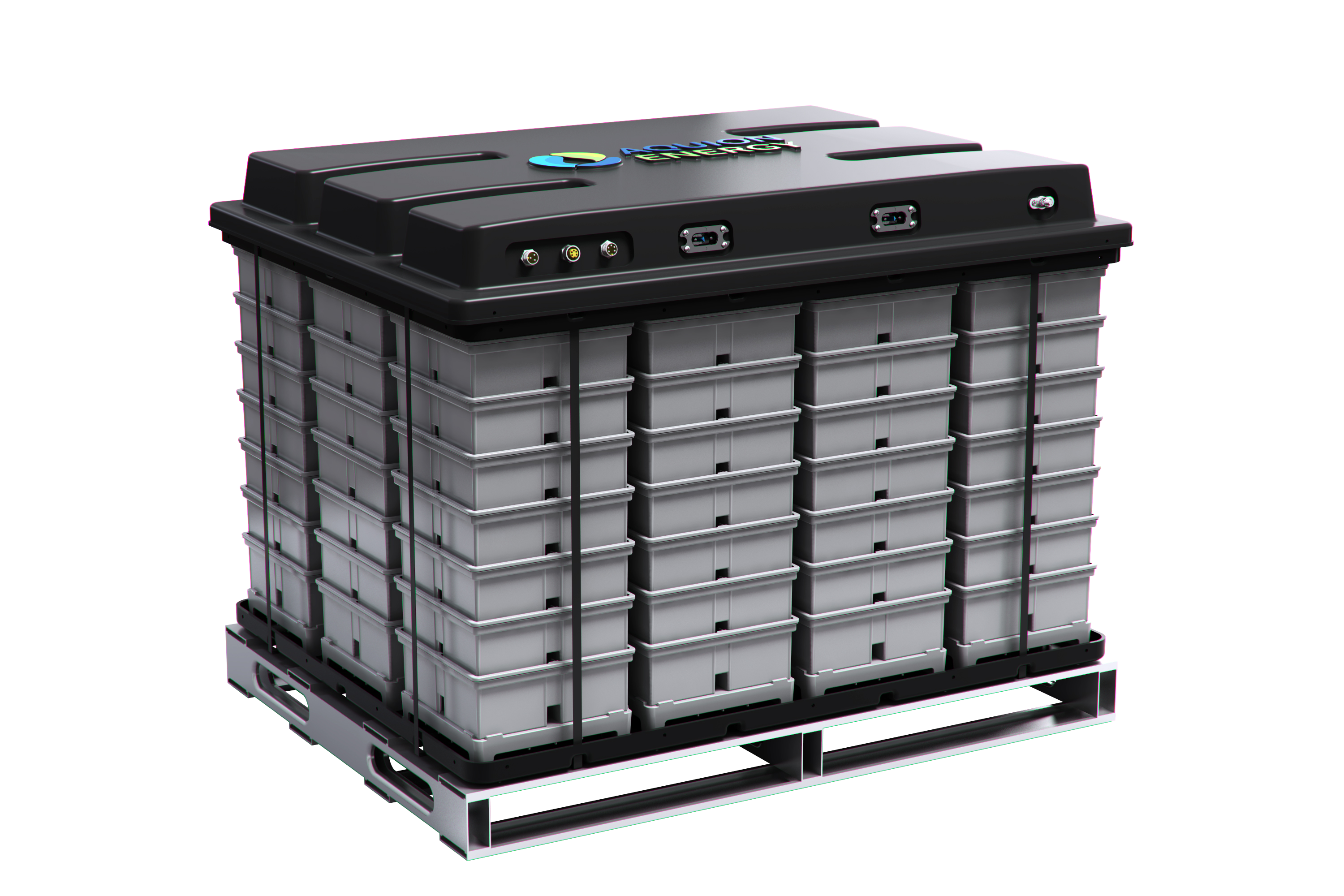
Lithium ion batteries have a high output and are durable, yet they simply remain too expensive to be widely used for storing excess solar and wind energy. Novel sodium-ion batteries could help solve this problem. Aquion Energy, a US-based company, has resolved the safety issues formerly associated with the technology and is now seeking to… read more
The future of our energy supply is in the hands of renewable energy. Since there is not only a disparity between energy generation and consumption in terms of location but also in terms of time, as the proportion of renewable energy in the overall amount of power generated grows so does the need to store… read more
PV systems with integrated battery solutions either feed the power generated from the PV panel into the electrical system in the home and into the battery system for self-consumption improvement or into the grid. How does the inverter know which energy flow to choose for streaming the electricity? What are the criteria this is depending… read more

The fight against climate change will be decided in the large cities, say the experts. The idea is therefore to connect wind energy and solar installations intelligently with other power sources and consumers in conurbations. But this requires smart control and energy storage systems that remove some of the burden from the power grid. Will… read more

The move towards independence and self-sufficiency is encouraging more and more people to generate their own power. By using their own solar installation, more than 1.3 million people are already making a stand against the energy oligarchs. It is therefore no surprise that the solar storage system incentive program has been very well received: solar… read more
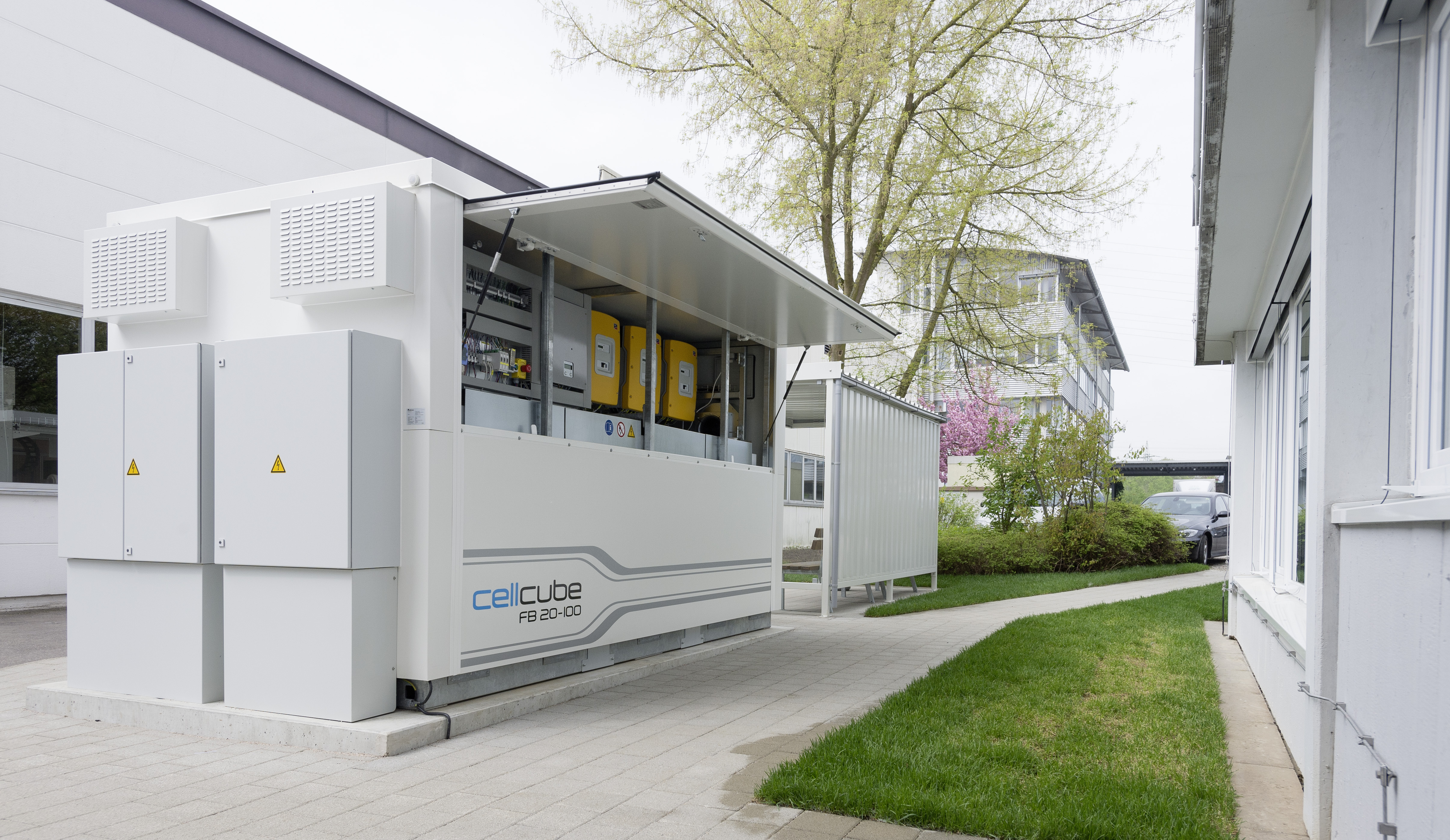
Businesses are equally as capable of directly using solar power generated on site as private householders. All that’s needed is a photovoltaic installation and a smart large-scale battery which conducts electricity to various systems and devices that consume power as and when it is needed. Drawing on the example of a systems manufacturer from Germany’s… read more
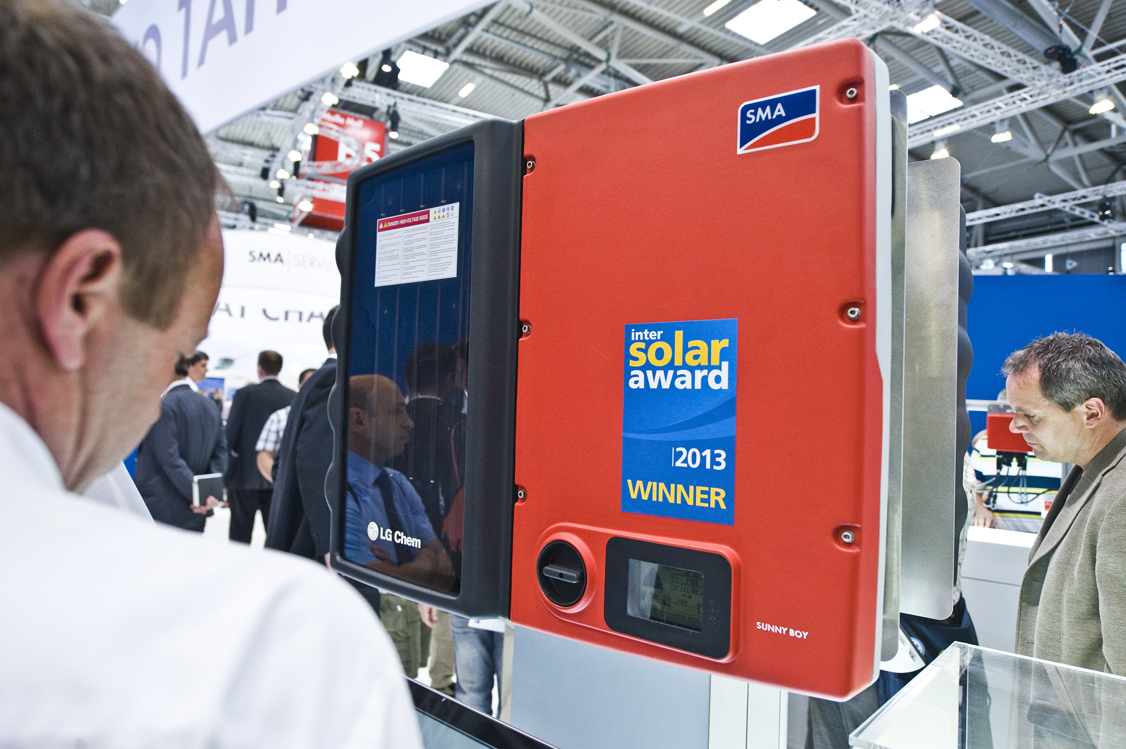
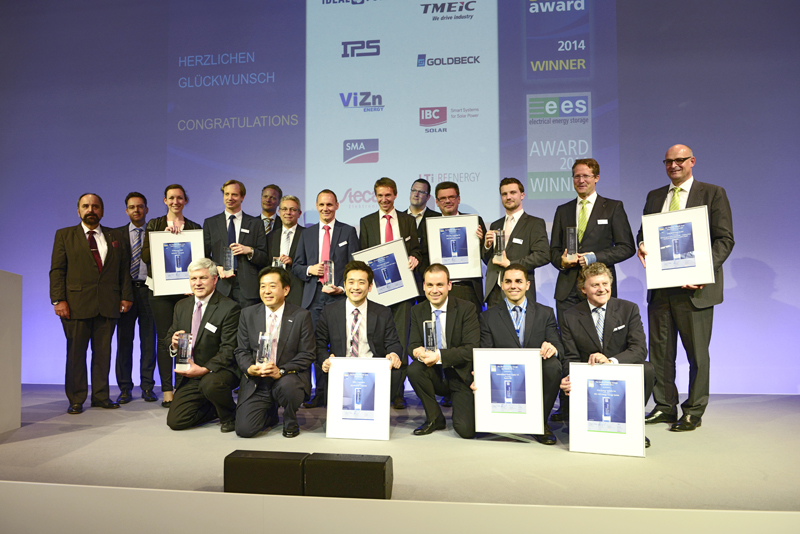
At this year’s Intersolar exhibition, SMA introduced the first mass-produced, wall-mounted PV inverter with an integrated battery and was promptly presented with an Intersolar AWARD, and for good reason: Together with the Sunny Home Manager, the Sunny Boy Smart Energy is designed to increase self-consumption of solar electricity in private homes by more than 50… read more
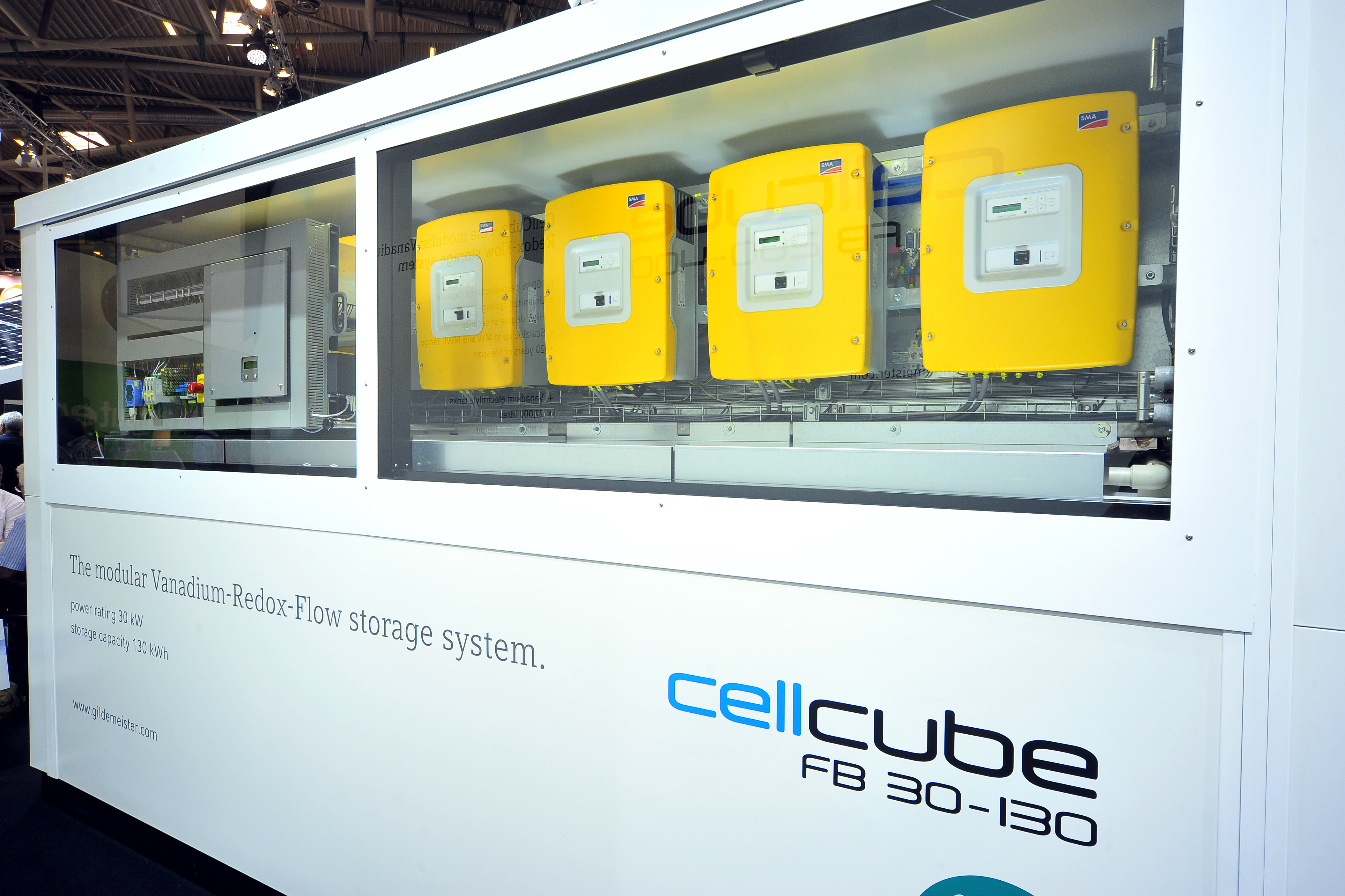
For photovoltaics to play a leading role in the energy transition, energy storage systems need to reduce the burden on the grid and provide operating reserves, as well as being equipped with an intelligent energy management system that coordinates their usage. Will the industry succeed in developing the necessary technical solutions? In a renewable power… read more
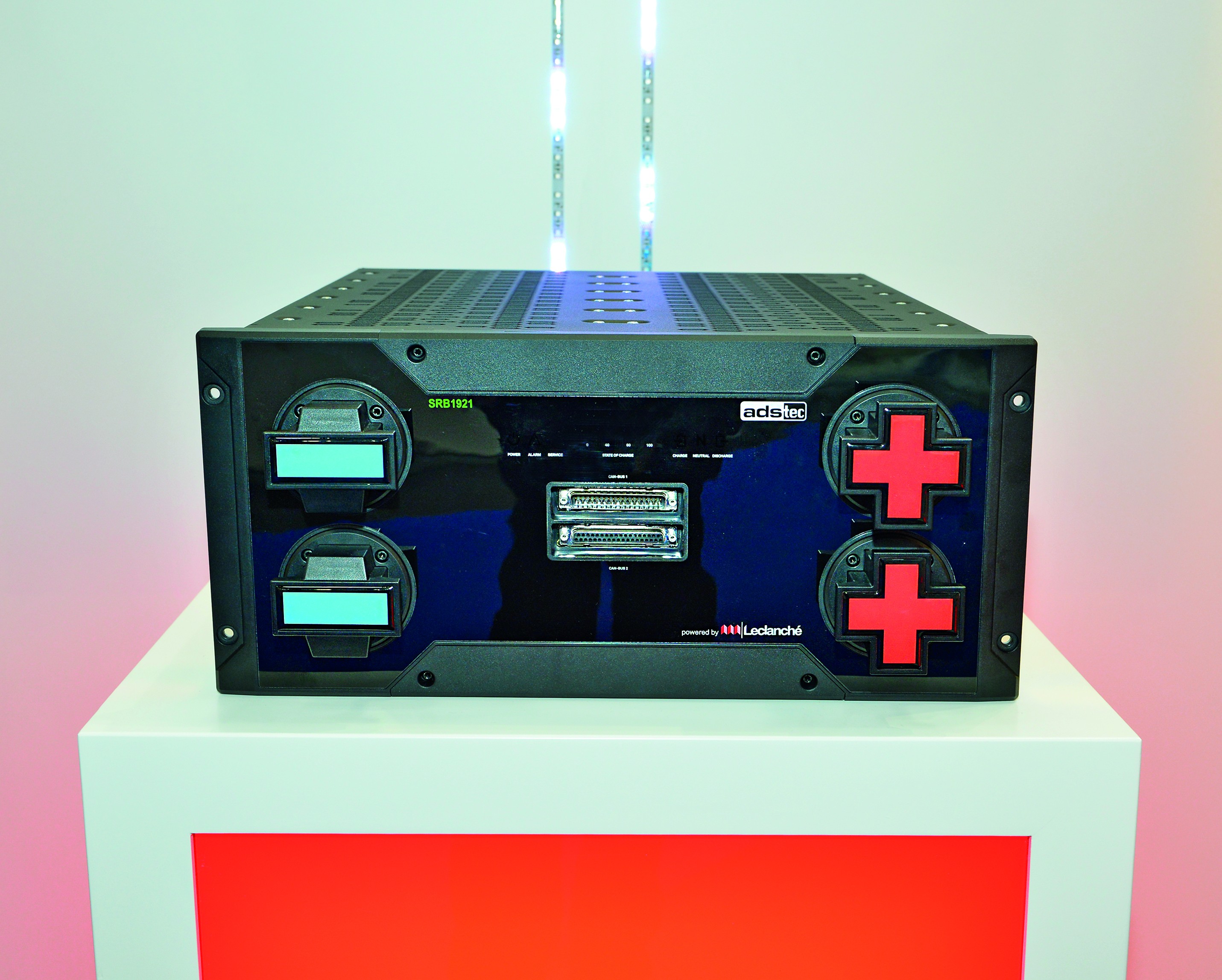
Those who equip photovoltaic installations with a storage system are mostly interested in increasing the on-site consumption of generated solar power. However, people often forget to consider that these kinds of battery systems only reveal their full potential through their multiple uses. In addition to allowing operators of photovoltaic installations to significantly increase on-site consumption,… read more
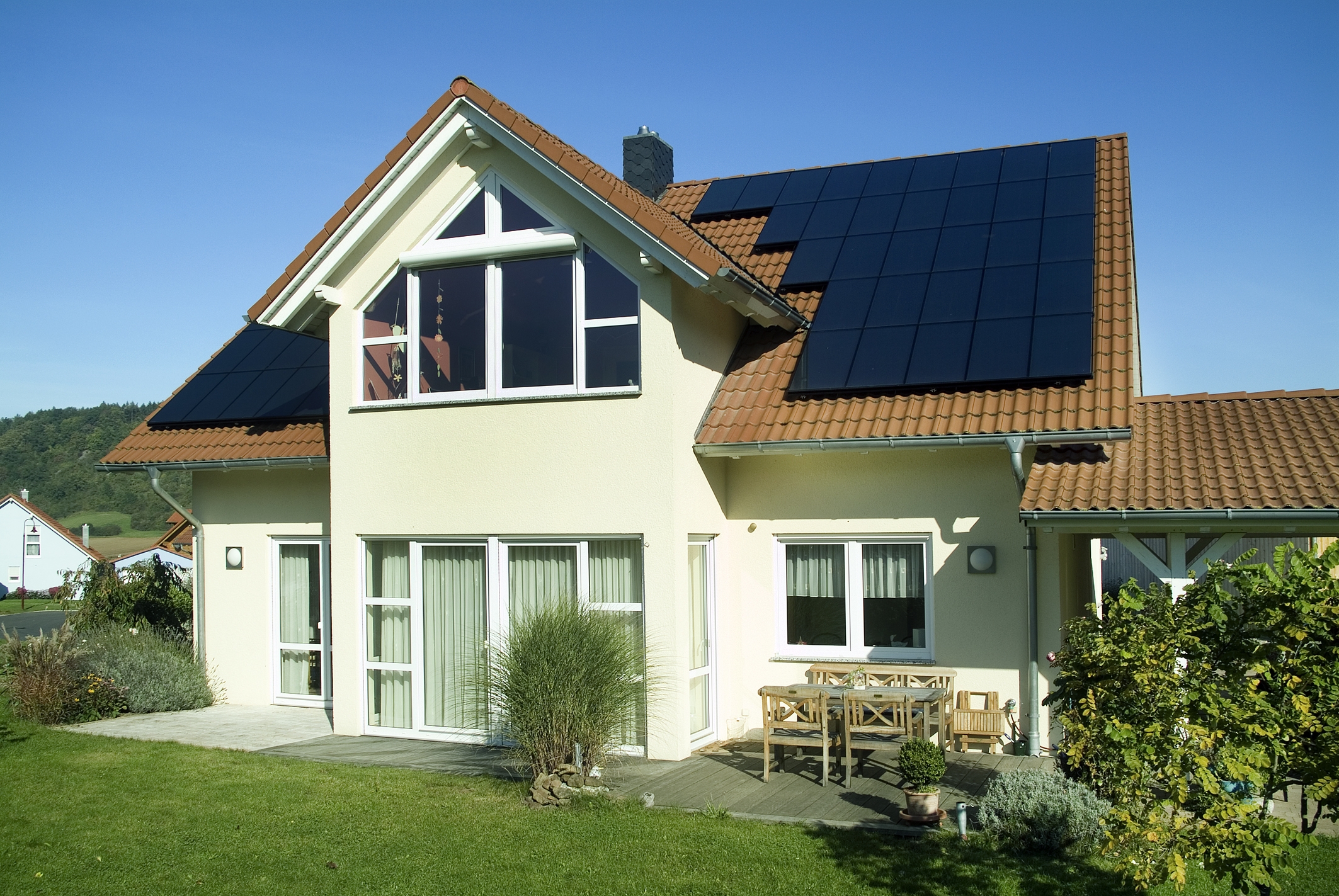
Solar energy storage devices and heat pumps, in combination with small object-bound PV systems, can make an important contribution to the significant increase in internal consumption, the integration of renewable energy into the electricity grid, and to the establishment of smart grids. Another key requirement is for electrical and thermal storage to operate intelligently. This… read more

Since May 1, the German government has been supporting the purchase of solar storage systems by awarding grants of up to €660 per kilowatt (kW) of a solar system’s installed capacity. It is important to note that the subsidy must be applied for via your principal bank before the storage system has been bought. Government… read more
With their tried-and-tested technology and relatively low purchase price, lead-acid batteries should, for all intents and purposes, be playing a key role in the up-and-coming market for photovoltaic storage systems. However, the majority of suppliers are putting their trust in the less thoroughly tested yet higher-performance lithium-ion batteries instead. Will lead-acid storage systems become obsolete… read more
Interest in solar installations with storage systems is rising because these systems reduce consumer dependency on utility companies. So far, there has been little investment into the new technology due to high battery costs – but this may soon change: Thanks to higher production rates and technical advances, costs are sinking fast. It’s always the… read more
Energy storage and grid integration are two of the areas on which efforts towards the further expansion of solar power supply are centered. The increasing share of solar power is changing the power grid. That is why efficient energy storage systems will play a vital role in overcoming the current challenges – initially by integrating… read more
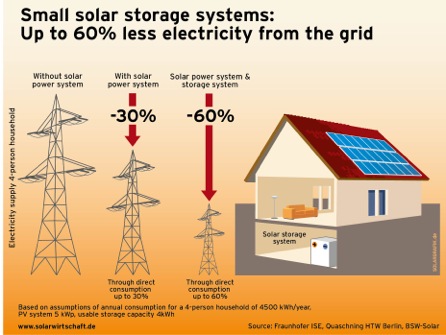
Does the grid really need batteries? This is currently a very controversial question. Some experts even consider the technology to be detrimental and that’s why they are strictly rejecting Germany’s planned incentives. Fraunhofer Institute for Solar Energy Systems (ISE) counters this argument in its new Speicherstudie 2013 (study on storage systems): Batteries can actually take… read more
